
Introduction
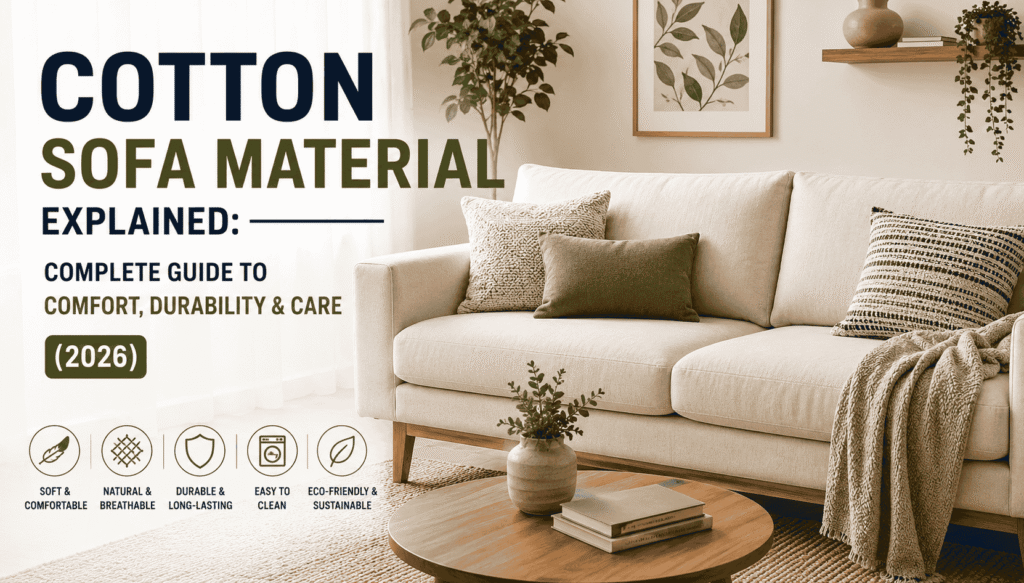
When you’re shopping for new furniture, the fabric you choose matters just as much as the shape or size of the piece. Cotton sofa material is one of the most trusted upholstery choices for homeowners who want a soft, breathable, and natural feel in their living space. It has been used in furniture making for generations, and it continues to hold its place among modern alternatives like polyester, velvet, and leather.
Cotton remains popular because it strikes a balance between comfort and practicality. It feels good against the skin, it’s easy to dye into countless colors and patterns, and it fits almost any interior style—from farmhouse to contemporary. But like every fabric, cotton has strengths and weaknesses that you should understand before making a purchase.
Choosing the right sofa material affects everything from how your living room looks to how much time you’ll spend cleaning it. A poor choice can mean constant stains, quick fading, or a couch that wears out within a couple of years. A good choice means years of comfortable use with minimal upkeep.
In this guide, you’ll learn what cotton sofa material really is, how it’s made, its different types, its pros and cons, how it compares to other popular fabrics like velvet, polyester, and leather, and how to clean and maintain it so it lasts as long as possible. We’ll also cover practical details like standard sofa dimensions and how long you can expect a sofa to last, so you can make a fully informed buying decision.
Table of Contents
What Is Cotton Sofa Material?
Understanding Cotton Upholstery Fabric
Cotton sofa material is upholstery fabric made from natural cotton fibers, either in pure form (100% cotton) or blended with other fibers like polyester, linen, or rayon to improve strength and reduce wrinkling. It’s classified as a natural fabric, as opposed to synthetic options like polyester or microfiber, which are made from man-made fibers.
Cotton is soft, breathable, and easy to dye, so it’s used in home furnishings and clothing. When it’s woven densely and treated with the right finishes, cotton becomes durable enough for daily seating use.
Natural vs. Synthetic Upholstery Fabrics
Natural fabrics like cotton and linen come from plant or animal fibers, while synthetic fabrics like polyester and microfiber are manufactured from chemical compounds such as polyethylene terephthalate. Natural fabrics tend to feel cooler and more breathable, while synthetics usually offer better resistance to stains, wrinkles, and fading.
Common Cotton Weave Structures
Cotton sofa fabric is woven in different patterns depending on the desired texture and durability. Common weaves include plain weave (basic and lightweight), twill weave (diagonal ribbing, more durable), and canvas or duck weave (tightly woven and heavy-duty). The weave structure directly affects how long the fabric will hold up under daily use.
How Cotton Sofa Fabric Is Made
- Cotton harvesting—raw cotton bolls are picked from the cotton plant, either by hand or by machine.
- Cleaning and spinning fibers—the harvested cotton is cleaned to remove seeds and debris, then spun into yarn.
- Weaving process – The yarn is woven into fabric using looms, creating different weave patterns based on the intended use.
- Dyeing and finishing treatments – The woven fabric is dyed to the desired color and treated with finishes that can improve stain resistance, softness, or durability.
- Fabric testing before upholstery use – Before the fabric reaches furniture manufacturers, it typically goes through rub tests (measuring abrasion resistance) and colorfastness tests to confirm it can handle everyday sofa use.
Types of Cotton Sofa Material
100% Cotton Upholstery
Features: Soft texture, breathable, natural fiber, available in many prints and colors.
Best Uses: Formal living rooms, low-traffic areas, accent chairs, and sofas in adult-only households.
Pros: Comfortable, breathable, eco-friendly, easy to dye into vibrant colors.
Cons: Wrinkles easily, prone to staining, less durable under heavy daily use compared to blends.
Cotton Blend Fabric
Cotton is often blended with other materials to offset its weaknesses.
Common Blend Materials:
- Polyester – adds strength, wrinkle resistance, and stain resistance
- Linen – adds a textured, natural look while keeping breathability
- Rayon – adds a silkier feel and drape
- Acrylic – improves fade resistance and softness
Features: More resilient than pure cotton, still soft, often more affordable.
Pros: Better durability, easier maintenance, resistant to wrinkling.
Cons: Slightly less breathable than 100% cotton; feel can vary based on blend ratio.
Best For: Families, high-traffic living rooms, and households that want the look of cotton with added durability.
Organic Cotton Sofa Material
What Makes Organic Cotton Different: It’s grown without synthetic pesticides or fertilizers and processed with eco-friendlier methods.
Benefits: Better for the environment, free from harsh chemical residues, often softer due to gentler processing.
Drawbacks: Higher price point, sometimes less resistant to stains without added treatments.
Sustainability: Organic cotton reduces water and chemical usage during farming, making it a more sustainable choice for environmentally conscious buyers.
Canvas Cotton Fabric
Characteristics: Heavyweight, tightly woven, slightly stiff texture.
Advantages: Extremely durable, resistant to tearing, holds shape well over time.
Ideal Applications: Casual sofas, outdoor-adjacent seating areas, and homes with kids or pets.
Cotton Twill Upholstery
What Is Cotton Twill? A diagonally woven cotton fabric known for its strength and subtle texture.
Pros: Durable, resists wrinkling better than plain cotton, has a refined appearance.
Cons: Can be pricier than basic cotton weaves.
Best Uses: Mid- to high-traffic living rooms and family rooms.
Cotton Duck Fabric
Features: Extremely tight weave, heavyweight, very sturdy.
Durability: One of the most durable cotton weaves available, able to withstand years of daily use.
Maintenance: Simple to clean and less prone to sagging or tearing.
Best For: Families with children, pet owners, and high-use furniture pieces.
Cotton Sofa Material Characteristics
- Softness and Comfort: Naturally soft and pleasant against the skin.
- Breathability: Allows airflow, preventing the sticky feeling common with synthetic fabrics.
- Texture and Feel: Ranges from smooth to slightly nubby depending on the weave.
- Appearance: Takes dye well, offering rich, consistent colors and patterns.
- Durability: Moderate on its own; improves significantly with tighter weaves or blends.
- Fade Resistance: Can fade with prolonged sun exposure unless treated.
- Wrinkle Resistance: Lower than synthetic fabrics; wrinkles form with regular use.
- Moisture Absorption: Absorbs moisture and spills quickly, which can be both a pro (comfort) and a con (staining).
- Eco-Friendliness: A renewable, biodegradable natural fiber, especially in organic form.
Advantages of Cotton Sofa Material
- Natural and Skin-Friendly – Free from synthetic irritants, making it a comfortable option for sensitive skin.
- Excellent Breathability – Keeps you cool by allowing air to circulate through the fibers.
- Comfortable in All Seasons—Breathable in summer and soft enough to layer with throws in winter.
- Wide Range of Colors and Patterns – Cotton absorbs dye evenly, giving you more design options.
- Easy to Customize—Available in countless weaves, weights, and finishes to suit different styles.
- Renewable and Eco-Friendly – A natural, biodegradable fiber, especially when sourced organically.
- Affordable Compared to Premium Fabrics—Generally less expensive than leather or high-end velvet.
Disadvantages of Cotton Sofa Material
- Can Stain Easily – Its absorbent nature means spills soak in quickly if not treated right away.
- Wrinkles More Than Synthetic Fabrics – Regular use can leave visible creases.
- May Fade in Direct Sunlight – Prolonged UV exposure can dull colors over time.
- Less Resistant to Heavy Wear – Pure cotton wears down faster than synthetic blends under constant use.
- Absorbs Moisture – This can lead to mildew if the fabric stays damp for too long.
- Requires Regular Cleaning – To keep it looking fresh, cotton sofas need more consistent care than some synthetic alternatives.
Cotton Sofa Material Durability
How Long Does Cotton Upholstery Last?
On average, a well-made cotton sofa can last 7 to 10 years with proper care, while cotton blends and heavier weaves like canvas or duck can last even longer. The lifespan of a sofa depends heavily on the quality of the fabric, the frame construction, and how the piece is used day to day.
Factors That Affect Lifespan
- Fabric quality – Higher-grade cotton with a tighter weave lasts longer.
- Thread count – Denser threads mean better resistance to wear and tear.
- Weave density – Tightly woven fabrics like canvas resist stretching and tearing.
- Usage frequency – Daily heavy use shortens lifespan faster than occasional use.
- Presence of children and pets – Increases the chances of spills, scratches, and stains.
- Cleaning routine – Regular, proper cleaning extends the life of the fabric significantly.
How to Increase Durability
Choose a tighter weave, opt for a cotton-polyester blend if you have a busy household, use fabric protectors, rotate cushions regularly, and avoid placing your sofa in direct sunlight.
If you’re wondering how long couches last overall—and how long sofas last compared to cotton specifically—most sofas across all fabric types last between 7 and 15 years, with the frame quality often being the deciding factor rather than the fabric alone. As a general guideline for how often should you replace your sofa, most experts suggest reassessing your sofa every 7 to 10 years, or sooner if the cushions sag, the frame creaks, or the fabric has worn through in high-contact areas. If you’re asking how often should you change your sofa for aesthetic reasons rather than functional ones, that’s more a matter of personal taste and how quickly your interior style evolves.
How long should you keep a sofa? As long as the frame is solid and the cushions retain their shape, reupholstering a cotton sofa is often more cost-effective than replacing it entirely—which can add years to its usable life.
Cotton Sofa Material Comfort
Is Cotton Comfortable?
Yes. Cotton is one of the most comfortable natural upholstery fabrics because it’s soft, breathable, and doesn’t trap heat the way some synthetic fabrics do.
Summer Performance
Cotton performs well in warm weather thanks to its breathability, allowing air to pass through the fibers and preventing that sticky, overheated feeling common with vinyl or heavy synthetic fabrics.
Winter Performance
While cotton isn’t inherently warm, it pairs well with throws and cushions, and its soft texture still feels pleasant in cooler months.
Breathability Compared to Other Fabrics
Cotton is more breathable than leather, faux leather, and most synthetic microfiber options, though it’s roughly comparable to linen in terms of airflow.
Cotton Sofa Material Maintenance
Weekly Cleaning
Vacuuming Tips: Use an upholstery attachment weekly to remove dust, crumbs, and pet hair before they settle into the fibers.
Spot Cleaning: Blot spills immediately with a clean, dry cloth rather than rubbing, which can push the stain deeper into the weave.
Deep Cleaning: Every few months, use a fabric-safe cleaner or a gentle mixture of mild soap and water to refresh the entire surface.
Removing Common Stains
- Coffee: Blot with a cloth dipped in cold water and a small amount of mild dish soap.
- Tea: Similar to coffee — blot quickly, then dab with a mixture of water and vinegar.
- Juice: Blot immediately, then clean with a diluted vinegar solution to prevent sugar residue from attracting dirt.
- Ink: Dab (don’t rub) with rubbing alcohol on a cotton ball, working from the outside of the stain inward.
- Pet stains: Blot excess moisture, then clean with an enzyme-based cleaner designed for pet accidents.
- Oil and grease: This is one of the trickiest stains on cotton because the fibers absorb oil quickly.
How to Remove Oil Stains from Sofa
If you’re dealing with oil stains on a cotton sofa, act quickly. Sprinkle baking soda or cornstarch over the stain and leave it for 15–20 minutes to absorb the oil.
Drying Methods
Always air-dry cotton upholstery rather than using direct heat, which can shrink the fibers or set stains permanently. Keep windows open or use a fan to speed up the drying process naturally.
How to Clean a Sofa at Home Naturally
Many homeowners search for how to clean a sofa at home naturally because they prefer avoiding harsh chemical cleaners, especially in households with kids or pets. Here’s a simple natural routine for cleaning a sofa at home:
- Vacuum the entire surface, including crevices and under cushions.
- Mix one part white vinegar with two parts water in a spray bottle.
- Lightly mist the fabric (avoid soaking it) and blot with a microfiber cloth.
- For odors, sprinkle baking soda over the fabric, let it sit for 20–30 minutes, then vacuum it up.
- Finish by air-drying the sofa completely before using it again.
This natural approach works well for how to clean a sofa at home without needing steam cleaners or specialty products, and it’s gentle enough for most cotton and cotton-blend fabrics. Always test any solution on a hidden patch first to confirm it won’t affect the color or texture.
How to Protect Cotton Sofa Material
- Use Fabric Protectors: A fabric protector spray adds a layer of resistance against spills and stains.
- Rotate Cushions: Regularly rotating cushions distributes wear evenly across the sofa.
- Avoid Direct Sunlight: Position your sofa away from windows or use curtains to reduce UV exposure.
- Keep Away from Moisture: Prevent prolonged dampness, which can lead to mildew or fabric weakening.
- Use Washable Slipcovers: Slipcovers offer an extra layer of protection and can be removed for easy washing.
Cotton Sofa Material vs. Other Sofa Materials
Cotton vs. Linen
Both are natural fibers, but linen has a coarser texture and wrinkles even more than cotton, while offering a slightly more rustic, textured appearance. Cotton is generally softer and more affordable.
Cotton vs. Polyester
Polyester is more stain-resistant, wrinkle-resistant, and durable, but it doesn’t breathe as well as cotton and can feel less natural against the skin.
Cotton vs. Velvet
Velvet sofa material has a plush, luxurious texture and a distinctive sheen that cotton doesn’t offer. Velvet tends to be softer to the touch and adds a more formal, elegant look, but it can be harder to clean and is more prone to crushing or matting in high-traffic areas. Cotton, on the other hand, is easier to maintain and better suited to everyday, casual use.
Velvet vs. Polyester Sofa
When comparing velvet vs. polyester sofa options, velvet—including sofa velvet fabric made from synthetic fibres like polyester-based velvet—tends to offer a richer look and softer feel, but genuine or high-pile velvet can trap dust and show wear patterns over time. Polyester upholstery, in its plain woven form, is more stain-resistant and budget-friendly, making it a practical option for families, while velvet is often chosen for its aesthetic appeal in formal or statement pieces.
Cotton vs. Leather
Leather sofa material is significantly more durable and resistant to spills, and it ages with a distinctive patina that many buyers find appealing. However, leather is considerably more expensive, can feel cold in winter and warm (even sticky) in summer, and lacks the breathability and softness of cotton fabric.
Cotton vs. Faux Leather
Faux leather offers similar stain resistance to real leather at a lower price point, but it doesn’t breathe well and can feel less luxurious than natural cotton.
Cotton vs. Microfiber
Microfiber is highly stain-resistant and easy to wipe clean, making it popular for families, but it doesn’t offer the same breathability or natural feel as cotton.
Comparison Table
| Feature | Cotton | Linen | Polyester | Velvet | Leather | Faux Leather | Microfiber |
|---|---|---|---|---|---|---|---|
| Comfort | High | Medium-High | Medium | High | Medium | Medium | Medium-High |
| Breathability | High | High | Low-Medium | Low-Medium | Low | Low | Low-Medium |
| Durability | Medium | Medium | High | Medium | High | Medium-High | High |
| Maintenance | Moderate | Moderate | Easy | Difficult | Moderate | Easy | Easy |
| Pet Friendly | Moderate | Moderate | Good | Poor | Good | Good | Good |
| Child Friendly | Moderate | Moderate | Good | Poor | Moderate | Good | Good |
| Price | Affordable | Affordable | Affordable | Expensive | Expensive | Moderate | Affordable |
| Lifespan | 7-10 years | 5-8 years | 8-12 years | 5-8 years | 15-20+ years | 8-10 years | 8-10 years |
Is Cotton Sofa Material Good for Pets?
Scratch Resistance
Cotton offers moderate scratch resistance—tighter weaves like canvas or duck hold up better against pet claws than looser weaves.
Hair Removal
Pet hair can cling to woven cotton fibers, but a vacuum with an upholstery attachment or a rubber pet hair brush usually removes it effectively.
Cleaning Pet Accidents
Because cotton absorbs moisture quickly, it’s important to blot pet accidents immediately and follow up with an enzyme-based cleaner to prevent lingering odors.
Is Cotton Sofa Material Good for Families with Children?
Safety
Cotton is a non-toxic, breathable natural fiber, making it a safe option for households with young children.
Comfort
Its soft texture makes it comfortable for kids to sit, play, and nap on.
Stain Resistance
This is where cotton falls short compared to synthetic options—spills from juice, snacks, or markers can stain quickly if not treated right away.
Easy Maintenance
Choosing a cotton-polyester blend or a tightly woven cotton like canvas can make cleanup significantly easier for busy households.
If you’re wondering how you choose durable furniture for everyday family use, prioritize tightly woven fabrics (like cotton duck or twill), darker or patterned colors that hide stains better, removable and washable cushion covers, and a sturdy hardwood frame that can handle daily activity from kids and pets.
Best Rooms for Cotton Sofas
- Living Room: A classic choice for its comfort and wide range of styles.
- Family Room: Works well with cotton blends for added durability.
- Guest Room: Pure cotton adds a soft, welcoming touch for occasional use.
- Reading Room: The breathability and softness make it ideal for long relaxation sessions.
- Apartment: Lightweight cotton designs suit smaller spaces well.
How to Choose the Best Cotton Sofa Material
Consider Fabric Weight
Heavier weaves like canvas and duck offer more durability, while lighter weaves are softer but less resistant to wear.
Check Weave Quality
A tighter, denser weave will resist stretching, pilling, and tearing better over time.
Evaluate Blend Percentage
If durability is a priority, look for cotton blends with at least 20–40% synthetic fiber content for added strength.
Look for Performance Finishes
Fabrics treated with stain-resistant or fade-resistant finishes will require less maintenance long-term.
Choose the Right Color
Darker or patterned fabrics hide stains and wear better than solid light colors.
Match Your Lifestyle
Consider your household’s daily activity level, presence of pets or children, and how much time you’re willing to spend on maintenance.
Buying Checklist
- Fabric composition (100% cotton vs. blend)
- Rub count (higher numbers indicate better durability)
- Cleaning code (W, S, WS, or X — tells you which cleaning methods are safe)
- Colorfastness (resistance to fading)
- Cushion filling compatibility
- Warranty coverage
- Budget
Understanding Sofa Sizes
Fabric quality matters, but so does fit. Knowing sofa sizes in inches helps you choose a piece that fits your space properly. Standard sofa dimensions typically range as follows:
- Loveseat: Around 52–70 inches wide
- Standard sofa: Around 72–96 inches wide
- Sectional sofa: Can range from 90 to over 120 inches, depending on configuration
The average three-seat sofa measures about 78–84 inches wide, 35 inches deep, and 30–36 inches high.
Before buying, measure your room, doorways, staircases, and hallways. A sofa that fits your living room may still be difficult to move into the house.
Comparing different sofa sizes helps you choose furniture that fits your available space without making the room feel crowded.
Common Mistakes to Avoid
- Buying based only on appearance
- Ignoring cleaning codes
- Choosing light colors for busy homes
- Skipping fabric protection
- Placing in direct sunlight
- Not testing fabric samples
Frequently Asked Questions
Is cotton sofa material durable? Cotton sofa material offers moderate durability on its own and significantly improves when blended with synthetic fibers or woven into heavier fabrics like canvas or duck.
Is cotton sofa material better than polyester? It depends on your priority. Cotton offers better breathability and a natural feel, while polyester offers superior stain and wrinkle resistance.
Does cotton sofa fabric stain easily? Yes, because cotton is absorbent, it can stain more easily than synthetic fabrics unless treated with a fabric protector.
Is cotton sofa material good for hot climates? Yes, its breathability makes it a comfortable choice in warm weather compared to leather or heavy synthetic fabrics.
Can cotton sofa covers be washed? Most removable cotton sofa covers can be machine washed on a gentle cycle, though always check the manufacturer’s care label first.
How long does a cotton sofa last? With proper care, a cotton sofa typically lasts 7 to 10 years, with tighter weaves and blends often lasting longer.
Is cotton sofa material pet-friendly? It’s moderately pet-friendly—tightly woven cotton fabrics hold up better against scratches and hair than loosely woven ones.
Is cotton an eco-friendly sofa material? Yes, especially organic cotton, which is grown using more sustainable farming practices and is fully biodegradable.
Conclusion
Cotton sofa material remains a strong choice for anyone who values comfort, breathability, and a natural feel in their furniture. It offers a soft touch, a wide range of colors and patterns, and an eco-friendly profile that’s hard to match with synthetic alternatives. That said, it does require more consistent care than fabrics like polyester or microfiber, particularly when it comes to stains and wrinkling.
If you have a low-traffic living room or prioritize comfort and natural materials, pure cotton or organic cotton is an excellent option. If you have a busy household with kids or pets, a cotton blend or a heavier weave like canvas or duck will likely serve you better. For those who need maximum durability regardless of maintenance effort, leather or polyester may be a better fit.
Whichever direction you choose, understanding fabric type, weave quality, sofa dimensions, and proper cleaning techniques will help you get the most value and the longest lifespan out of your next sofa purchase.
Explore related guides
Want to learn more about sofa upholstery? Continue exploring our guides on Sofa Materials Explained, Leather Sofa Material, Fabric Sofa Material, Velvet Sofa Material, and Faux Leather Sofa Material to compare your options and choose the best material for your home and lifestyle.